

Exploring Patagonia: The Ultimate Travel Guide to South America’s Natural Wonder
According to research and analysis from travel specialists,
Patagonia stands as one of the world’s most spectacular wilderness regions, with its dramatic landscapes spanning two countries and offering unparalleled opportunities for adventure and exploration.
What is Patagonia and Where Is It Located?
Patagonia is a vast geographical region located at the southern end of South America, spanning both Argentina and Chile. This magnificent wilderness area covers approximately 1,043,076 square kilometers (402,734 square miles), making it nearly twice the size of California. The region is characterized by diverse landscapes including mountains, deserts, steppes, grasslands, lakes, fjords, and forests.
| Patagonia Geography | Details |
|---|---|
| Total Area | 1,043,076 sq km (402,734 sq miles) |
| Countries | Argentina (Eastern Patagonia), Chile (Western Patagonia) |
| Major Mountain Range | Andes Mountains |
| Prominent Features | Torres del Paine, Mount Fitz Roy, Perito Moreno Glacier |
| Climate Zones | Temperate rainforest (west), Arid steppe (east) |
| Biodiversity Hotspots | Valdés Peninsula, Tierra del Fuego, Chilean Fjords |
Patagonia’s boundaries are naturally defined by the Colorado River to the north, the Atlantic Ocean to the east, the Pacific Ocean to the west, and the Strait of Magellan to the south. The region’s name originates from the word “patagón,” which Portuguese explorer Ferdinand Magellan used in 1520 to describe the indigenous people he believed to be giants.
The Chilean side of Patagonia features a rugged coastline fragmented by fjords and islands, while Argentine Patagonia consists primarily of arid steppes, grasslands, and deserts. The magnificent Andes Mountains serve as the natural dividing line between these two distinct sides of the region.
Best Time to Visit Patagonia
Planning your visit to Patagonia requires careful consideration of the region’s distinctive seasonal characteristics. The optimal time to explore this magnificent wilderness depends largely on your preferred activities, tolerance for weather variations, and desire to avoid crowds.
| Season | Months | Temperature Range | Advantages | Disadvantages |
|---|---|---|---|---|
| Summer | December – February | 10°C to 24°C (50°F to 75°F) | Longest daylight hours, warmest temperatures, all trails open | Peak tourist season, crowded attractions, highest prices |
| Fall | March – May | 5°C to 15°C (41°F to 59°F) | Fall foliage, fewer tourists, moderate weather | Some attractions begin closing, unpredictable weather patterns |
| Winter | June – August | -5°C to 7°C (23°F to 45°F) | Snow-covered landscapes, winter sports, wildlife viewing | Limited accessibility, shorter daylight hours, many services closed |
| Spring | September – November | 5°C to 15°C (41°F to 59°F) | Blooming wildflowers, newborn wildlife, increasing daylight | Unpredictable weather, strong winds, some trails still snow-covered |
The high season in Patagonia runs from December through February (summer in the Southern Hemisphere). During these months, visitors can enjoy up to 17 hours of daylight, which provides ample time for hiking, wildlife spotting, and exploring the region’s natural wonders. However, this is also when Patagonia experiences its highest influx of tourists, resulting in crowded parks and elevated prices for accommodations and services.
For travelers seeking a balance between favorable weather conditions and smaller crowds, the shoulder seasons of October-November (spring) and March-April (fall) offer compelling alternatives. During fall, in particular, the landscapes transform with spectacular autumn foliage, creating a photographer’s paradise. According to research from Lonely Planet, many seasoned travelers consider April to be the ideal month for visiting Patagonia due to the magical combination of fall colors, decreased wind intensity, and reduced tourist numbers.
Winter visits (June through August) present unique opportunities for adventurous travelers, including skiing, snowshoeing, and witnessing the region’s dramatic landscapes blanketed in snow. However, it’s important to note that many facilities close during this period, and certain areas become inaccessible due to snow and ice conditions.
Climate change has begun to impact seasonal patterns in Patagonia, with studies from the Scientific Committee on Antarctic Research indicating shifts in precipitation patterns and temperature variability. Travelers are advised to research current conditions before finalizing their itineraries.
How to Get to Patagonia
Reaching this remote region requires strategic planning, as Patagonia’s vast wilderness is served by limited transportation infrastructure. Understanding your options is essential for creating an efficient travel itinerary that maximizes your time exploring this magnificent area.
| Transportation Method | Entry Points | Approximate Duration | Cost Range | Considerations |
|---|---|---|---|---|
| International Flights | Santiago (Chile), Buenos Aires (Argentina) | 14-24 hours from North America/Europe | $800-$2,000 USD | Most convenient but requires regional connections |
| Regional Flights | El Calafate, Ushuaia, Punta Arenas, Bariloche | 3-5 hours from Santiago/Buenos Aires | $200-$500 USD | Time-saving for accessing specific areas |
| Bus Services | Multiple border crossings and cities | 24-48 hours from capital cities | $50-$150 USD | Economical, scenic, but time-consuming |
| Car Rental | Available at major airports and cities | Self-determined | $50-$100 USD per day | Maximum flexibility but challenging road conditions |
| Cruise Ships | Punta Arenas, Ushuaia, Puerto Montt | 7-14 days | $3,000-$10,000 USD | Unique coastal perspective but limited inland access |
Most international travelers begin their Patagonian journey by flying into either Santiago, Chile, or Buenos Aires, Argentina. From these major hubs, connecting flights are available to several regional gateway cities including:
- El Calafate (Argentina) – For accessing Los Glaciares National Park and the famous Perito Moreno Glacier
- Ushuaia (Argentina) – The world’s southernmost city and gateway to Tierra del Fuego
- Punta Arenas (Chile) – Entry point for Torres del Paine National Park
- Puerto Montt (Chile) – Starting point for the Carretera Austral scenic highway
- Bariloche (Argentina) – Access to northern Patagonia and the Lake District
According to LATAM Airlines, one of the major carriers servicing the region, flight frequencies increase significantly during the high season (December-February), with advance booking highly recommended during this period.
For budget-conscious travelers or those seeking to experience Patagonia’s landscapes up close, long-distance buses connect major cities throughout the region. Companies like Andesmar and Bus-Sur offer regular services between key destinations, though journeys can be lengthy, often exceeding 24 hours between major points.
Self-driving provides maximum flexibility for exploration, with car rentals available at major airports and cities. However, travelers should be prepared for long distances between services, unpaved roads in certain areas, and potentially challenging weather conditions. The Automobile Club of Argentina recommends vehicles with high clearance for certain routes, particularly along the scenic Carretera Austral in Chile.
For a unique perspective, several cruise lines operate expeditions through the Chilean fjords and around Cape Horn, typically departing from Punta Arenas or Ushuaia. These voyages offer access to remote, otherwise inaccessible coastal areas, though they provide limited opportunities for inland exploration.
Must-Visit Destinations in Patagonia
Patagonia boasts an impressive array of natural wonders that showcase the region’s geological diversity and breathtaking beauty. From jagged mountain peaks to massive glaciers, these iconic destinations offer unforgettable experiences for nature enthusiasts and adventure seekers.
| Destination | Country | Known For | Activities | Difficulty Level | Best Time to Visit |
|---|---|---|---|---|---|
| Torres del Paine National Park | Chile | Granite towers, diverse ecosystems | Hiking, photography, wildlife watching | Moderate to difficult | October to April |
| Los Glaciares National Park | Argentina | Perito Moreno Glacier, Mt. Fitz Roy | Glacier trekking, ice hiking, mountaineering | Easy to extreme | November to March |
| Tierra del Fuego | Argentina/Chile | World’s southernmost landscapes | Hiking, boating, wildlife viewing | Easy to moderate | December to February |
| Valdés Peninsula | Argentina | Marine wildlife, UNESCO site | Whale watching, penguin colonies | Easy | June to December |
| Carretera Austral | Chile | Scenic highway, remote wilderness | Road trip, hiking, fishing | Moderate | December to February |
| Bariloche & Lake District | Argentina | Alpine scenery, lakes | Skiing, hiking, water sports | Easy to moderate | Year-round (seasonal activities) |
| Cape Horn | Chile | Southernmost headland of Americas | Cruising, photography | Moderate | December to March |
Torres del Paine National Park (Chile)
Recognized by many travel authorities, including National Geographic, as one of the world’s most spectacular national parks, Torres del Paine features the iconic granite towers that give the park its name. The park’s diverse ecosystems support remarkable wildlife, including guanacos, Andean condors, and the elusive puma.
The W Trek and the Circuit (O Trek) are the park’s most famous hiking routes, offering immersive experiences through varied landscapes. The W Trek typically takes 4-5 days to complete, while the more challenging Circuit extends to 8-10 days. Both routes provide access to highlights such as the French Valley, Grey Glacier, and the base of the Torres.
Recent conservation efforts, led by the Torres del Paine Legacy Fund, have focused on trail restoration and sustainable tourism practices to protect this fragile environment from the impacts of increasing visitor numbers.
Los Glaciares National Park (Argentina)
Home to the spectacular Perito Moreno Glacier, one of the few advancing glaciers in the world, this UNESCO World Heritage site offers some of Patagonia’s most iconic scenery. The glacier’s 70-meter ice wall regularly calves massive chunks of ice into Lake Argentino, creating a thrilling natural spectacle.
In the northern section of the park, the granite spires of Mount Fitz Roy and Cerro Torre attract trekkers and climbers from around the world. The town of El Chaltén serves as the primary base for exploring these magnificent mountains, with a network of well-maintained trails suitable for day hikes and multi-day treks.
According to the Argentinian Ministry of Tourism, visitation to Los Glaciares has increased by 30% over the past decade, prompting the implementation of new visitor management strategies to protect the park’s natural resources.
Tierra del Fuego (Argentina and Chile)
The archipelago at the southernmost tip of South America offers a unique combination of mountains, forests, and maritime landscapes. Ushuaia, often billed as the “End of the World,” serves as a gateway to Tierra del Fuego National Park and a departure point for Antarctic expeditions.
The Beagle Channel provides opportunities for marine wildlife viewing, including sea lions, cormorants, and the occasional whale. Hiking trails in the national park, such as the coastal path to Lapataia Bay, allow visitors to experience the region’s subpolar forests and dramatic coastlines.
Valdés Peninsula (Argentina)
This UNESCO World Heritage site is renowned for its exceptional marine wildlife. Between June and December, southern right whales gather in the protected bays for calving, offering some of the world’s best whale-watching opportunities. According to the Wildlife Conservation Society, the peninsula hosts one of the most important breeding populations of these magnificent marine mammals.
The peninsula is also home to significant colonies of Magellanic penguins, elephant seals, and sea lions. The small town of Puerto Pirámides serves as the main base for wildlife excursions, with both land and boat-based tours available.
Adventurous Activities in Patagonia
Patagonia’s dramatic landscapes provide an exceptional playground for outdoor enthusiasts, offering activities ranging from accessible day hikes to challenging multi-day expeditions. The region’s combination of mountains, glaciers, rivers, and coastlines creates diverse opportunities for adventure.
| Activity | Popular Locations | Experience Level | Typical Duration | Average Cost | Best Season |
|---|---|---|---|---|---|
| Trekking/Hiking | Torres del Paine, El Chaltén, Tierra del Fuego | Beginner to Expert | Half-day to 10+ days | $0-$2,000 USD | October to April |
| Ice Hiking/Glacier Trekking | Perito Moreno, Grey Glacier | Beginner to Intermediate | 2-8 hours | $100-$300 USD | November to March |
| Mountaineering | Fitz Roy, Cerro Torre, Paine Grande | Intermediate to Expert | 2-10 days | $500-$3,000 USD | December to February |
| Kayaking | Chilean Fjords, Beagle Channel, Lake District | Beginner to Advanced | Half-day to 10 days | $80-$2,500 USD | November to March |
| White Water Rafting | Futaleufú River, Baker River | Beginner to Expert | Half-day to 10 days | $100-$2,000 USD | December to March |
| Wildlife Viewing | Valdés Peninsula, Punta Tombo, Tierra del Fuego | All levels | Half-day to multiple days | $50-$500 USD | Varies by species |
| Skiing/Snowboarding | Cerro Catedral, Cerro Castor | Beginner to Expert | Half-day to multiple days | $50-$200 USD per day | June to September |
Trekking and Hiking
Patagonia offers some of the world’s most spectacular hiking opportunities, from accessible day trails to challenging multi-day expeditions. According to the Patagonia Conservation Assessment, the region contains over 5,000 kilometers of established trails across various national parks and reserves.
In Torres del Paine, the W Trek and Circuit remain the most popular routes, while El Chaltén offers excellent day hikes to viewpoints of Mount Fitz Roy and Cerro Torre. For those seeking less-traveled paths, the Dientes de Navarino Circuit on Navarino Island provides a challenging adventure through remote landscapes.
Many trekking routes require advance permits or reservations, particularly during high season. The CONAF (National Forest Corporation) in Chile and APN (National Parks Administration) in Argentina provide up-to-date information on trail conditions and requirements.
Glacier Experiences
Patagonia’s numerous glaciers offer unique opportunities for ice hiking, ice climbing, and boat excursions. The Perito Moreno Glacier provides accessible ice trekking experiences suitable for beginners, while more experienced adventurers can explore the remote ice fields on multi-day expeditions.
According to glaciologists from the Institute of Patagonian Ecosystems Research, guided glacier treks not only provide thrilling adventures but also valuable educational experiences about climate change and glacial dynamics. Visitors can observe firsthand the impacts of global warming on these magnificent ice formations.
Water-Based Adventures
The region’s numerous rivers, lakes, and coastal areas provide excellent opportunities for kayaking, rafting, and fishing. The Futaleufú River in Chile is renowned as one of the world’s premier white-water rafting destinations, offering challenging rapids in a spectacular setting.
Sea kayaking expeditions through the Chilean fjords or the Beagle Channel allow visitors to explore remote coastlines and observe marine wildlife from a unique perspective. According to Patagonia Expedition Race organizers, these waterways offer some of the most pristine paddling experiences available anywhere on the planet.
Accommodation Options in Patagonia
Patagonia offers a diverse range of accommodation options to suit various preferences and budgets. From luxury lodges with panoramic views to rustic refugios and campsites immersed in nature, travelers can find lodging experiences that enhance their connection to this remarkable region.
| Accommodation Type | Price Range (USD/night) | Best For | Typical Amenities | Booking Timeframe | Locations |
|---|---|---|---|---|---|
| Luxury Lodges | $400-$1,200+ | Comfort-focused travelers, honeymooners | All-inclusive packages, guided excursions, gourmet dining | 6-12 months ahead | Torres del Paine, Bariloche, El Calafate |
| Mid-Range Hotels | $150-$400 | Couples, families, business travelers | Private bathrooms, restaurants, Wi-Fi | 3-6 months ahead | Major towns and tourist hubs |
| Hostels | $20-$60 (dorms) $70-$120 (private) | Budget travelers, solo adventurers | Shared facilities, communal kitchens, social spaces | 1-3 months ahead | Most tourist destinations |
| Refugios/Mountain Huts | $30-$100 | Hikers, trekkers | Basic dormitories, simple meals, shared facilities | 3-6 months ahead | Along major trekking routes |
| Estancias (Ranch Stays) | $100-$500 | Cultural enthusiasts, families | Traditional meals, horseback riding, cultural experiences | 2-4 months ahead | Rural areas across Patagonia |
| Campsites | $10-$30 (organized) Free (wild) | Self-sufficient adventurers | Basic facilities at organized sites, none at wild camps | 1-3 months ahead for organized | National parks, rural areas |
| Airbnb/Vacation Rentals | $70-$400 | Self-catering travelers, families, groups | Kitchen facilities, living spaces, varying levels of luxury | 2-4 months ahead | Towns and some rural areas |
Luxury Lodges and Hotels
For travelers seeking premium experiences, Patagonia offers several world-class accommodations that combine luxury with environmental sustainability. Properties like Explora Patagonia, Tierra Patagonia, and Eolo Lodge provide all-inclusive packages featuring gourmet cuisine, expert guides, and carefully curated excursions.
These luxury properties often incorporate sustainable design elements and conservation initiatives. According to Sustainable Tourism International, many of Patagonia’s high-end lodges have implemented innovative environmental practices, including renewable energy systems, water conservation measures, and community support programs.
Mid-Range and Budget Accommodations
Most towns throughout Patagonia offer a variety of mid-range hotels, guesthouses, and hostels. Popular destinations like El Calafate, Puerto Natales, and Bariloche provide the widest selection of options, catering to different budgets and preferences.
Hostels in Patagonia, particularly in hiking hubs like El Chaltén and Puerto Natales, have evolved beyond basic accommodations to include comfortable common areas, well-equipped kitchens, and knowledgeable staff who can assist with trek planning. These establishments also serve as valuable information centers where travelers can exchange tips and experiences.
Mountain Refugios and Camping
Along major trekking routes, particularly in Torres del Paine and Los Glaciares National Parks, refugios (mountain huts) provide strategic overnight options for hikers. These range from basic shelters to more developed facilities offering dormitory accommodations, meals, and hot showers.
According to the Torres del Paine Official Site, reservations for refugios along the W and Circuit treks should be secured 6-12 months in advance during high season, as these facilities frequently reach capacity. Several companies manage these refugios, including Vertice Patagonia and Fantastico Sur.
Camping options range from developed campgrounds with facilities to remote wild camping areas (where permitted). Many national parks have implemented reservation systems for campsites to manage visitor impacts, with CONAF in Chile and APN in Argentina providing official information.
Unique Stays
For a cultural immersion experience, traditional estancias (ranches) offer accommodations that showcase Patagonian rural life. Guests can participate in activities like horseback riding, sheep shearing demonstrations, and traditional asados (barbecues). These properties range from working farms to historic estates converted into boutique hotels.
Eco-lodges focused on environmental education and conservation are increasingly popular options, particularly for travelers interested in learning about Patagonia’s ecosystems. Properties like Huilo Huilo Biological Reserve combine comfortable accommodations with nature-based activities and conservation programs.
Patagonian Culture and Cuisine
Patagonia’s unique cultural identity has been shaped by indigenous heritage, European immigration, and adaptation to challenging environments. This rich cultural tapestry is reflected in the region’s traditions, cuisine, and way of life, offering visitors opportunities for authentic cultural experiences.
| Cultural Aspect | Key Features | Where to Experience | Historical Significance | Modern Relevance |
|---|---|---|---|---|
| Indigenous Heritage | Mapuche, Tehuelche, Selk’nam traditions | Cultural centers, museums, indigenous communities | Original inhabitants with distinct cosmologies | Ongoing cultural revival movements |
| Gaucho Culture | Horse handling, traditional dress, rural skills | Estancias, rural festivals | Adaptation of cowboy traditions to Patagonian environment | Living tradition in rural areas |
| European Influences | Welsh, German, Italian, Spanish communities | Gaiman, Bariloche, Punta Arenas | Colonial and post-colonial immigration waves | Architectural styles, cuisine, festivals |
| Folklore | Mythical creatures, legends, traditional music | Cultural performances, museums | Blend of indigenous and European mythologies | Contemporary artistic expressions |
| Cuisine | Lamb, seafood, yerba mate, regional produce | Local restaurants, estancias, markets | Adaptation of cooking methods to local resources | Farm-to-table movement, culinary tourism |
Indigenous Heritage
The indigenous peoples of Patagonia, including the Mapuche, Tehuelche, and Selk’nam, developed rich cultural traditions adapted to the region’s diverse environments. According to the Museo Chileno de Arte Precolombino, these cultures maintained distinctive spiritual practices, crafts, and subsistence strategies for thousands of years before European contact.
Today, cultural centers like the Museo Leleque in Argentina and the Centro Cultural Ruka Kimün in Chile preserve and celebrate these indigenous traditions. Visitors can learn about traditional medicinal practices, textile techniques, and cosmological beliefs that continue to influence contemporary Patagonian culture.
Gaucho Traditions
The gaucho (cowboy) culture represents an important aspect of Patagonian identity, particularly in the Argentine steppe. These skilled horsemen developed unique traditions adapted to the harsh environment, including distinctive riding equipment, clothing, and techniques for managing livestock in remote areas.
Estancia stays offer immersive experiences of gaucho culture, with opportunities to observe traditional horse handling, participate in sheep shearing, and enjoy folkloric performances. The Fiesta de la Tradición in various Patagonian towns celebrates these traditions with competitions, music, and traditional food.
European Influences
Waves of European immigration since the 19th century have significantly influenced Patagonian culture. Welsh settlements in Argentina’s Chubut Province established communities that maintain their language and traditions to this day. According to the Welsh Government’s International Office, the annual Eisteddfod festival in Gaiman continues to celebrate Welsh music, poetry, and culture in a Patagonian context.
German, Italian, and other European influences are evident in the architecture, cuisine, and festivals throughout the region. Bariloche’s Alpine-style buildings and chocolate industry reflect its German heritage, while Italian influences are apparent in the region’s bread-making traditions and festive celebrations.
Cuisine
Patagonian cuisine features distinctive dishes that reflect the region’s geography and cultural influences. Lamb is the centerpiece of traditional cuisine, typically prepared as “cordero al palo” (spit-roasted lamb) or “curanto” (meat and seafood cooked in an earth oven). According to Argentinan culinary historian Daniel Balmaceda, these cooking methods were developed to maximize flavor while using limited resources in remote areas.
Seafood features prominently in coastal areas, with king crab, southern hake, and mussels appearing in traditional preparations. Indigenous influences are evident in the use of local berries, wild mushrooms, and native herbs.
The craft beer movement has flourished in Patagonia, particularly around Bariloche and El Bolsón, where numerous microbreweries produce distinctive ales using local water and ingredients. According to the Argentine Craft Brewers Association, Patagonia now hosts over 200 craft breweries, many of which offer tasting rooms and brewery tours.
Planning Your Patagonia Itinerary
Creating an effective itinerary for Patagonia requires balancing ambition with practicality, considering the vast distances between attractions and the region’s unpredictable weather patterns. Strategic planning ensures a rewarding experience that captures the essence of this remarkable destination.
| Itinerary Length | Recommended Regions | Key Considerations | Estimated Budget (USD) | Transportation Options | Advance Booking |
|---|---|---|---|---|---|
| 7-10 Days | Focus on either Torres del Paine or Los Glaciares | Minimize transit time, stay in one region | $2,000-$3,500 per person | Flights + ground transfers | 4-6 months ahead |
| 14-18 Days | Chilean and Argentinian highlights | Balance travel days with exploration days | $3,500-$6,000 per person | Flights + bus/car | 6-8 months ahead |
| 3-4 Weeks | Comprehensive Patagonia experience | Include remote areas, allow weather buffer days | $6,000-$10,000 per person | Mixed transportation | 8-12 months ahead |
| Seasonal Focus | Winter sports (Jun-Sep) or summer trekking (Dec-Feb) | Align activities with optimal seasonal conditions | Varies by season | Seasonal considerations for road conditions | Varies by season |
| Special Interest | Photography, wildlife, mountaineering | Structure around specific goals or interests | Depends on specialization | Specialized transport may be required | Depends on specialization |
Sample Itineraries
Classic Highlights (14 Days)
For first-time visitors with two weeks available, tourism experts at Lonely Planet recommend focusing on the following route:
- Days 1-2: Arrive in El Calafate, acclimatize, visit Perito Moreno Glacier
- Days 3-5: Travel to El Chaltén, day hikes to Mount Fitz Roy and Cerro Torre viewpoints
- Days 6-7: Return to El Calafate, cross to Puerto Natales in Chile
- Days 8-12: Torres del Paine W Trek (or day excursions if not trekking)
- Days 13-14: Return to Punta Arenas, departure
This itinerary concentrates on the region’s most iconic destinations while minimizing long transit times. According to travel statistics from Statista, this route encompasses the four most-visited sites in Patagonia.
Extended Exploration (3 Weeks)
With additional time, travelers can incorporate more remote areas and cultural experiences:
- Days 1-3: Bariloche and the Lake District
- Days 4-6: Drive the Carretera Austral to Futaleufú
- Days 7-9: Queulat National Park and Coyhaique
- Days 10-12: Travel to Puerto Natales
- Days 13-17: Torres del Paine Circuit Trek
- Days 18-19: El Calafate and Perito Moreno
- Days 20-21: El Chaltén hiking
This extended itinerary provides a more comprehensive experience of Patagonia’s diverse landscapes, from temperate rainforests to arid steppes. According to adventure travel specialists at REI Adventures, this type of itinerary offers the ideal balance between iconic destinations and off-the-beaten-path experiences.
Booking and Reservations
Advance planning is essential for Patagonia, particularly during the high season (December-February). According to CONAF statistics, permits for popular treks like the W in Torres del Paine often sell out 6-8 months in advance during peak periods.
Key reservations to secure early include:
- National park permits and trekking reservations
- Accommodations, especially in popular areas during high season
- Guided excursions such as glacier treks and wildlife tours
- Transportation between major destinations
Travel experts at Adventure Life recommend building flexibility into itineraries whenever possible, as Patagonia’s notorious weather can disrupt even the most carefully planned schedules. Including buffer days can help mitigate the impact of delays due to weather or transportation issues.
Practical Travel Tips for Patagonia
Successfully navigating Patagonia’s remote landscapes and variable conditions requires thorough preparation and practical knowledge. From packing appropriate gear to understanding local customs, these insights will help ensure a smooth and enjoyable experience in this challenging but rewarding destination.
| Travel Aspect | Key Recommendations | Common Challenges | Expert Tips | Resources |
|---|---|---|---|---|
| Packing | Layered clothing, quality rain gear, broken-in hiking boots | Unpredictable weather, limited shopping options | Pack for all seasons regardless of when you visit | Patagonia Packing Lists |
| Budget Management | Cash reserves, multiple payment methods, budget buffer | Limited ATMs, connectivity issues, unexpected expenses | Set aside 20% more than planned budget, carry USD | Numbeo Cost Comparison |
| Health & Safety | Travel insurance, altitude awareness, sun protection | Remote medical facilities, extreme weather | Comprehensive insurance with evacuation coverage | International Association for Medical Assistance to Travelers |
| Communication | Download offline maps, translation apps, emergency contacts | Limited cell coverage, language barriers | Local SIM card, satellite communication device for remote treks | OpenSignal Coverage Maps |
| Sustainability | Leave no trace principles, respect wildlife, support local communities | Fragile ecosystems, increasing tourism impact | Choose certified eco-friendly operators and accommodations | Leave No Trace Center |
Essential Packing for Patagonia
Packing appropriately for Patagonia’s variable conditions is crucial for comfort and safety. According to REI’s Expert Advice, the layering system is essential—start with moisture-wicking base layers, add insulating mid-layers, and finish with waterproof and windproof outer shells.
Key items recommended by experienced guides include:
- Waterproof hiking boots with ankle support (broken in before your trip)
- High-quality rain gear (jacket and pants)
- Thermal layers (merino wool or synthetic materials)
- Quick-dry hiking pants (convertible options are versatile)
- Sun protection (high SPF sunscreen, sunglasses, and wide-brimmed hat)
- Sturdy backpack with rain cover
- Trekking poles for stability on challenging terrain
- Headlamp with extra batteries
- Reusable water bottle or hydration system
For trekking and camping, specialized equipment may be required or can be rented locally. Companies like Erratic Rock in Puerto Natales offer quality rental gear and informative pre-trek talks.
Research by Adventure Travel Trade Association indicates that inadequate preparation for weather conditions is the most common source of discomfort for travelers in Patagonia. The region’s famous saying, “four seasons in one day,” accurately describes the rapidly changing weather patterns that visitors should anticipate regardless of when they visit.
Money Matters
Financial planning for Patagonia requires consideration of the region’s remote nature. Outside major towns, ATMs are scarce and often experience outages or cash shortages during peak tourist season. Credit card acceptance varies widely, with many smaller establishments and remote areas operating on cash only.
Currency considerations differ between Argentina and Chile. While Chile has a relatively stable currency, Argentina has experienced significant inflation in recent years. According to The Economist, many tourism providers in Argentina offer discounts for cash payments in US dollars, so carrying a reserve of USD can be advantageous.
Travel finance experts recommend:
- Informing your bank of travel dates to prevent cards being flagged for suspicious activity
- Carrying multiple payment methods (different cards, cash reserves)
- Building a 20% buffer into your budget for unexpected expenses or weather delays
- Keeping cash in secure locations (money belts, hotel safes)
- Monitoring exchange rates using apps like XE Currency to find favorable conversion opportunities
Health and Safety Considerations
Comprehensive travel insurance with emergency evacuation coverage is essential for Patagonia, where medical facilities can be basic and widely dispersed. According to the International Association for Medical Assistance to Travelers, evacuations from remote areas of Patagonia can cost upwards of $100,000 without adequate insurance coverage.
Key health and safety recommendations include:
- Consulting with a travel medicine specialist at least 6-8 weeks before departure
- Carrying a basic first aid kit with personal medications and treatments for common travel ailments
- Preparing for extreme UV exposure, which is intensified by reflection from snow, water, and ice
- Understanding symptoms of altitude sickness if venturing into higher elevations
- Purifying water when hiking in remote areas, despite Patagonia’s generally clean water sources
- Registering your travel plans with your country’s embassy or consulate
Safety statistics from the Chilean Tourism Board indicate that most serious incidents in Patagonia involve unprepared hikers underestimating weather conditions or attempting routes beyond their experience level. Always respect park regulations, heed weather warnings, and stay within your capabilities.
Communication and Connectivity
Connectivity throughout Patagonia is improving but remains limited, particularly in national parks and remote areas. Major towns offer reliable internet access, but cell coverage can be sparse between populated centers.
Communications recommendations include:
- Downloading offline maps using apps like Maps.me or Google Maps for navigation without connectivity
- Learning basic Spanish phrases, as English proficiency varies widely outside tourist centers
- Carrying emergency contact information for local authorities and your country’s nearest embassy
- Considering a satellite communication device like Garmin inReach for remote treks
- Setting up an international roaming plan or purchasing local SIM cards in major cities upon arrival
According to OpenSignal, Chilean mobile networks generally offer better coverage in Patagonia than their Argentine counterparts, though both countries continue to expand their rural infrastructure.
Cultural Awareness and Etiquette
Understanding local customs enhances the travel experience and demonstrates respect for host communities. Patagonians generally appreciate visitors who:
- Greet locals with basic Spanish phrases (even simple efforts are appreciated)
- Respect traditional land use practices, particularly on estancias and indigenous territories
- Observe proper conservation ethics in natural areas
- Practice patience, as the pace of life and service may be slower than in urban centers
- Ask permission before photographing local people
- Participate in the mate (traditional tea) ritual when invited, following proper etiquette
Cultural anthropologists from the Universidad Austral de Chile note that tourism has created both opportunities and challenges for Patagonian communities. Responsible visitors can contribute positively by supporting locally-owned businesses, participating respectfully in cultural activities, and learning about regional conservation efforts.
Sustainable Travel in Patagonia
As tourism in Patagonia continues to grow, sustainable travel practices become increasingly vital for preserving the region’s pristine ecosystems and supporting local communities. Conscious travelers can make choices that minimize environmental impact while maximizing positive contributions to conservation and cultural preservation.
| Sustainability Aspect | Best Practices | Certification Programs | Impact Statistics | Regional Initiatives |
|---|---|---|---|---|
| Environmental Conservation | Follow park guidelines, minimize waste, respect wildlife | Leave No Trace, Rainforest Alliance | 530% increase in Torres del Paine visitors since 2000 | Rewilding Chile, Conservacion Patagonica |
| Responsible Wildlife Viewing | Maintain safe distances, avoid feeding animals, use qualified guides | ATTA Adventure Standards | 30% increase in Magellanic penguin numbers at protected sites | Coastal Protection Programs, Huemul Conservation |
| Cultural Preservation | Support indigenous-led tourism, respect local customs | Fair Trade Tourism, Biosphere | 45% of tourism revenue remains in local communities in certified operations | Indigenous Tourism Network, Cultural Heritage Projects |
| Carbon Footprint Reduction | Minimize flights, use public transportation, offset emissions | Carbon Neutral Certifications | Average Patagonia trip generates 3.2 tons CO2 per person | Carbon Offset Partnerships, Renewable Energy Initiatives |
| Community Support | Choose locally-owned businesses, purchase local products | B Corporation, Travelife | $1 spent locally generates $7 in community benefits | Community Tourism Associations, Artisan Cooperatives |
Conservation Initiatives
Patagonia has become a global model for large-scale conservation, with initiatives like Rewilding Chile (formerly Tompkins Conservation) establishing millions of acres of new protected areas. According to environmental reports from the World Wildlife Fund, these efforts have created wildlife corridors critical for the recovery of threatened species such as the huemul deer and Andean condor.
Travelers can support conservation by:
- Choosing operators that contribute to local conservation projects
- Participating in volunteer opportunities with organizations like Conservation Volunteers International
- Visiting private reserves like Parque Patagonia that demonstrate conservation-based economic development
- Supporting research initiatives through citizen science programs
Research from the International Union for Conservation of Nature indicates that nature-based tourism, when properly managed, can provide compelling economic alternatives to extractive industries like mining and industrial forestry that threaten Patagonia’s ecosystems.
Responsible Wildlife Viewing
Patagonia’s diverse wildlife represents one of its greatest attractions, but increased tourism pressure can disturb natural behaviors and habitats. According to wildlife biologists from the Charles Darwin Foundation, responsible wildlife viewing practices are essential for minimizing negative impacts.
Guidelines for ethical wildlife encounters include:
- Maintaining recommended minimum distances (usually 25-50 meters for most species)
- Using binoculars or telephoto lenses rather than approaching animals
- Avoiding wildlife during sensitive periods like breeding seasons
- Selecting operators that adhere to wildlife protection standards
- Never feeding wild animals, which disrupts natural behaviors and diets
Certified wildlife guides undergo training to recognize signs of animal stress and can enhance viewing experiences while minimizing disturbance. Organizations like the Adventure Travel Trade Association provide accreditation for operators demonstrating best practices in wildlife tourism.
Supporting Local Communities
Tourism that benefits local communities creates economic incentives for conservation and cultural preservation. According to sustainable tourism researchers at Sustainable Travel International, travelers can maximize positive impacts by:
- Staying in locally-owned accommodations rather than international chains
- Hiring local guides with deep knowledge of the region
- Purchasing crafts directly from artisans or cooperative stores
- Dining at restaurants that source ingredients locally
- Participating in community-based tourism initiatives
Economic analyses from the United Nations World Tourism Organization indicate that when tourists engage with community-based initiatives, up to 80% of expenditures remain in the local economy, compared to as little as 20% in conventional tourism models.
Carbon Footprint Considerations
Long-distance travel to Patagonia inevitably involves significant carbon emissions. Climate researchers from the Stockholm Environment Institute recommend several strategies for minimizing and offsetting these impacts:
- Extending trip duration to maximize value relative to transportation emissions
- Combining destinations to minimize internal flights
- Using public transportation and shared shuttle services when possible
- Selecting accommodations with environmental certifications
- Purchasing carbon offsets through verified programs like Gold Standard or Verified Carbon Standard
Several Patagonian tourism operators now offer carbon-neutral packages that include offset calculations in their pricing. According to the International Ecotourism Society, travelers increasingly seek these options, driving industry adoption of climate-friendly practices.
Conclusion and Final Tips for Your Patagonian Adventure
Patagonia offers transformative experiences that connect travelers with some of Earth’s most spectacular landscapes and unique cultures. By approaching this remarkable region with preparation, respect, and a spirit of adventure, visitors can create memorable journeys while contributing to the preservation of Patagonia for future generations.
| Final Considerations | Key Takeaways | Planning Timeline | Resources for Ongoing Inspiration |
|---|---|---|---|
| Expectations Management | Embrace unpredictability, focus on experiences over schedules | 9-12 months: Research and major bookings 6-9 months: Activity and accommodation reservations 3-6 months: Transportation arrangements 1-3 months: Final preparations | Books: “In Patagonia” by Bruce Chatwin Films: “180° South” Photography: National Geographic Patagonia Gallery Conservation News: Patagonia Conservation Journal |
| Authentic Experiences | Slow down, engage with locals, explore beyond iconic sites | ||
| Responsible Travel | Make conscious choices that support conservation and communities | ||
| Practical Preparedness | Plan thoroughly but remain flexible and resilient | ||
| Long-term Connection | Stay informed about Patagonian conservation and return to explore more |
Embracing the Patagonian Spirit
Travel psychologists from the International Journal of Tourism Research note that destinations like Patagonia often facilitate transformative experiences that stay with travelers long after their journey ends. The region’s combination of dramatic natural beauty, physical challenges, and cultural encounters creates powerful memories and often inspires continued engagement with conservation efforts.
Many visitors report that Patagonia’s vast landscapes provide valuable perspective and reconnection with natural rhythms. According to wellness tourism researchers, these experiences can cultivate mindfulness and resilience that travelers carry into their daily lives.
Planning Resources
For ongoing inspiration and practical planning assistance, consider these additional resources:
- Official tourism websites: Chile Travel and Visit Argentina
- Community forums: Lonely Planet Thorntree and TripAdvisor Patagonia Forums
- Weather forecasting: Windguru (particularly useful for Torres del Paine)
- Trail conditions: AllTrails and park-specific websites
- Conservation updates: Tompkins Conservation and Rewilding Argentina
For readers seeking more information on related topics:
- Essential Hiking Gear for Multi-Day Treks
- Wildlife Photography Tips for Beginners
- Sustainable Travel Practices for Adventure Destinations
Patagonia Ultimate Travel Guide: Complete Information for Your Adventure
Discover Patagonia’s breathtaking landscapes with our comprehensive travel guide covering when to visit, must-see destinations, activities, accommodation, and sustainable travel tips.
Patagonia remains one of the world’s last great wilderness areas—a place where nature’s grandeur reminds us of our place in the world and inspires commitment to preserving such magnificent landscapes. Whether you’re drawn by the jagged peaks of Torres del Paine, the massive glaciers of Los Glaciares, or the cultural richness of Patagonian communities, your journey to this remarkable region promises experiences that will remain with you long after you return home.
With thoughtful preparation, respect for local environments and cultures, and an open heart for adventure, your Patagonian experience will surely stand among your most treasured travel memories.

Overview of Patagonia Argentine
Patagonia is a region often romanticized in travel literature and documentaries, capturing the imagination of adventurers, nature lovers, and those interested in rich cultural narratives. Covering the southernmost tip of Argentina, Patagonia is a land characterized by breathtaking landscapes, an intriguing history, and diverse wildlife. Let’s delve deeper into the geographical elements and climatic patterns that define this remarkable area.
Geographic Location and Description
Patagonia spans across two countries, Argentina and Chile; however, this section focuses primarily on the Argentine side. It stretches from the foothills of the Andes Mountains down to the windswept Atlantic coast.
- Boundaries:
- To the west, it is bordered by the Andes mountain range, which acts as a natural border with Chile.
- Eastward, it meets the vast Atlantic Ocean, featuring beautiful coastal towns and stunning marine vistas.
- Key Features:
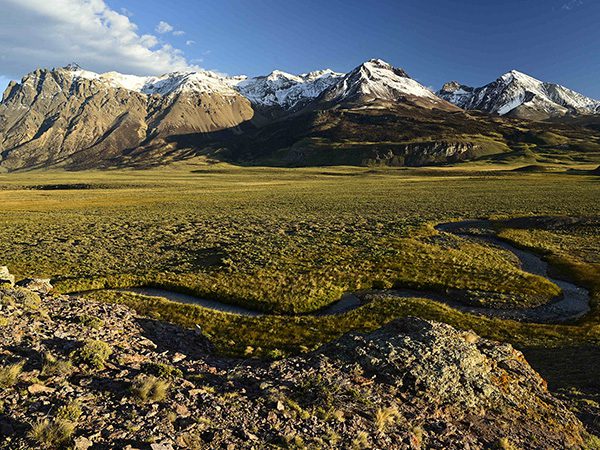
- Landscape Diversity: The region boasts a complexity of geography including glaciers, mountains, and forests, as well as a starkly contrasting arid steppe.
- Significant Landmarks: Among its notable locations are the towering peaks of Mont Fitz Roy and the expansive glaciers of Los Glaciares National Park.
When traveling through Patagonia, visitors may experience vast expanses of open land punctuated by mountain ranges and serene lakes, all under a sky that can quickly shift from a perfect azure to a tempestuous gray. One traveler once described standing at the edge of a glacial lake, saying that the scenery seemed to remind one of both the grandeur and the fragility of this planet—every corner revealing an untouched masterpiece.
Climate and Weather in Patagonia
The climate of Patagonia is as diverse as its geography. Influenced by the Southern Hemisphere’s seasons, the area exhibits a variety of weather patterns that can change rapidly, making it essential for travelers to be prepared for all conditions.
- General Climate:
- Temperate to Arid: Experience temperatures that vary greatly between regions due to the rain shadow effect caused by the Andes.
- Western Patagonia: This area receives significant rainfall, nurturing lush forests and vibrant ecosystems. One can find a downpour in one moment leading to bright sunshine the next, a classic trait of this landscape.
- Eastern Patagonia: Contrarily, this side sees far less precipitation, showcasing arid plateaus and steppe environments, windswept and stark yet beautiful.
- Seasonal Variations:
- Summer (December to February): Expect mild temperatures averaging 20°C (68°F) in the north and cool evenings in the south. Sunny days beckon visitors to explore trails and lakes.
- Fall (March to May): A stunning tapestry of red and gold foliage paints the landscape. However, temperatures drop, ranging from 5°C to 15°C (41°F to 59°F).
- Winter (June to August): Bitterly cold temperatures can reach as low as -5°C (23°F) in some regions. Snow blankets the south, making it a wonderland for snow sports enthusiasts.
- Spring (September to November): The snow melts, flowers bloom, and wildlife emerges from hibernation. It is an ideal time for photographers seeking to capture the vivid beauty of nature awakening.
Despite the climate’s unpredictability, many travelers find that each weather shift adds to Patagonia’s rugged charm. With layered clothing and a spirit for adventure, exploring the landscapes, whether under the warmth of the sun or the chill of a brisk wind, only adds to the allure. In summary, the geographic location and climate of Argentine Patagonia intertwine perfectly to create a region that is both challenging and rewarding for those willing to venture into its depths. Whether finding refuge in a cozy cabin during a thunderstorm or camping under a star-speckled sky after a long hike, every experience tells a tale of the extraordinary beauty and unpredictability of this spirited land.
Wildlife and Biodiversity
After understanding the stunning geography and climate of Argentine Patagonia, it’s impossible not to be intrigued by its rich tapestry of wildlife and biodiversity. This region is a sanctuary for a plethora of species, with ecosystems that range from lush forests to arid steppe. Let’s explore the unique fauna and incredible plant life that thrive in this captivating area.
Fauna of Patagonia
Patagonia is home to a fascinating array of animals, many of which are endemic to the region. From majestic mammals to colorful birds, every encounter can feel like a scene from a nature documentary.
- Notable Mammals:
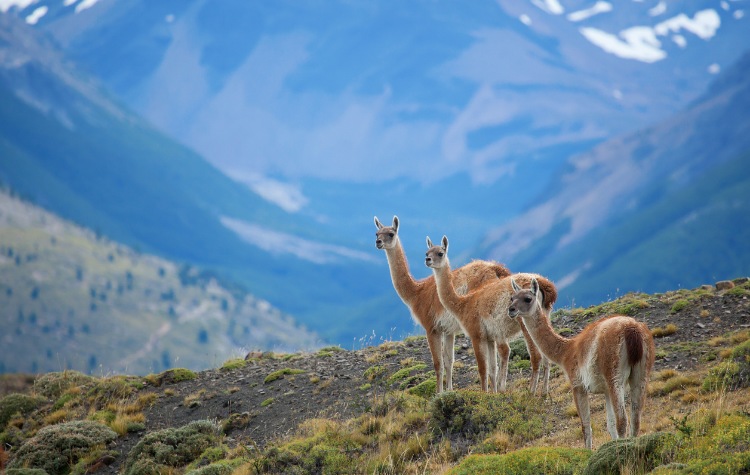
- Guanaco: Agile and hardy, guanacos roam the Patagonian steppe, looking striking with their reddish-brown coats. They are often spotted in herds, gracefully navigating their rugged habitat.
- Andean Condor: One of the largest flying birds in the world, this spectacular bird soars majestically across the skies. Their impressive wingspan can exceed 3 meters (10 feet), making them a sight to behold.
- Puma: The elusive puma is a symbol of wilderness in Patagonia. While they tend to stay hidden, those who venture into remote areas may catch a glimpse of them prowling silently through the underbrush.
- Marine Life:
- Southern Right Whale: December to March marks the migration season for these magnificent whales. Observers can often see them near the coastline, with some fortunate enough to witness mothers and calves playing in the surf.
- Penguins: The Magellanic penguins have their breeding colony in Punta Tombo, making it a popular spot for tourists eager to watch these whimsical birds as they waddle ashore.
One personal encounter worth sharing happened during a hike around Los Glaciares National Park. As a fellow trekker quietly crouched near a trail, he noticed a small family of guanacos grazing just a few meters away. The tranquility of the moment was palpable, serving as a reminder of how privileged one feels to share the path with such spirited wildlife.
Flora Diversity in the Region
The biodiversity of Patagonia isn’t limited to its fauna. The flora presents equally noteworthy spectacles, with a range of ecosystems that support a variety of plant species.
- Forests and Woodlands:
- Lenga Trees (Nothofagus pumilio): Found predominantly in the Southern Andes, these trees boast beautiful fall colors, showcasing shades of gold and red. Their presence offers a dramatic backdrop for hiking adventures.
- Coihue Trees (Nothofagus dombeyi): Known for their impressive height and vast canopies, coihue trees provide essential habitats for local bird species, contributing to ecological balance.
- Steppe Vegetation:
- Wildflowers: Patagonian steppes bloom with a vibrant array of wildflowers, including the delicate purple of the “calafate” berry and the striking yellow of blooming “bromelia.” They attract various pollinators.
- Cactuses: In more arid areas, cactuses, such as the tall and mighty “cactus chileno,” thrive, adapting expertly to the challenging conditions.
- Grasslands:
- Patagonian Grasslands: The expansive steppe harbors resilient grasses specially adapted to withstand the harsh winds and lower moisture levels. They play a significant role in sustaining herbivore populations by providing necessary forage.
During a recent excursion through the mountainous regions, a traveler was awoken by the morning sunlight streaming in through the canopy of lenga trees. The smell of damp earth and the sound of rustling leaves created an immersive experience that awakened an appreciation for the lush flora surrounding him. In conclusion, the wildlife and flora of Argentine Patagonia are a testament to nature’s resilience and diversity. This region, complete with its unique adaptations and ecosystems, invites visitors to explore and connect with the wonders of the natural world. The interplay between fauna and flora creates an enchanting atmosphere that resonates with anyone fortunate enough to venture into its heart, uncovering the stories that this beautiful corner of the planet has to tell.
:max_bytes(150000):strip_icc()/torres-del-paine-patagonia-PATAGONIA1216-dcdfa4dffdfe492e99aa7200865de3fe.jpg)
Popular Destinations in Argentine Patagonia
Having explored the stunning wildlife and biodiversity of Argentine Patagonia, it’s time to uncover some of the most popular destinations that beckon travelers from all corners of the globe. Each location boasts unique attractions, breathtaking landscapes, and opportunities for adventure, allowing visitors to connect more deeply with this remarkable region. Let’s dive into two crown jewels of Patagonia: Bariloche and Nahuel Huapi National Park, as well as Los Glaciares National Park, home to the world-renowned Perito Moreno Glacier.
Bariloche and Nahuel Huapi National Park
Nestled in the foothills of the Andes, Bariloche is well-known for its charming Swiss-style architecture, stunning lakes, and as a hub for outdoor activities. With Nahuel Huapi National Park as its stunning backdrop, this destination is a paradise for nature lovers.
- Activities and Attractions:
- Hiking: With countless trails to explore, from leisurely lakeside strolls to challenging mountain treks, there’s something for every level of hiker. The Llao Llao Trail offers panoramic views that are simply breathtaking.
- Water Sports: The crystal-clear waters of Lake Nahuel Huapi invite kayaking, sailing, and fishing enthusiasts. The calm waters make it the perfect playground for those keen on water activities.
- Skiing in Winter: During the winter months, the nearby Cerro Catedral transforms into a bustling ski resort. With some of the best ski slopes in South America, it’s a mecca for snowboarding and skiing enthusiasts.
A memorable moment for many visitors is enjoying a chocolate treat in one of Bariloche’s famous chocolate shops—an obsession here, where the aroma of rich melted chocolate wafts through the air. One traveler fondly recalled sipping a creamy hot chocolate after a chilly morning hike, feeling grateful for the warmth and energy needed for another adventure.
- Cultural Highlights:
- Museum of Patagonia: This insightful museum provides information not only on the local flora and fauna but also on the indigenous peoples who once inhabited the area.
- Markets: Don’t miss the artisanal markets where local craftsmen display their products, from hand-knit sweaters to unique wooden crafts, perfect for a keepsake or gift.
Los Glaciares National Park and Perito Moreno Glacier
A UNESCO World Heritage site, Los Glaciares National Park is another essential stop for any traveler in Argentine Patagonia. The park stretches over 12,000 square kilometers (4,600 square miles) and is famous for its glaciers, particularly the awe-inspiring Perito Moreno Glacier.
- Exploring Perito Moreno:
- Glacier Walks: One of the unique experiences here is the guided trek out onto the ice. Visitors are outfitted with crampons and led by knowledgeable guides, navigating surreal ice formations and crevices, all while marveling at the deep blues of the ice.
- Viewing Platforms: For those who prefer to stay dry, the well-constructed viewing platforms provide splendid vantage points to observe the immense glacier as it calvess huge chunks of ice into the milky waters of Lago Argentino.
An unforgettable episode from this park comes from a visitor who described their emotions as the glacier crackled and groaned, signifying the ice-breaking. The anticipation of witnessing such a powerful natural force was breathtaking, reminding them of nature’s grandeur.
- Additional Attractions:
- Glacier Naves: Adjacent to Perito Moreno, the lesser-known glaciers like Upsala and Spegazzini offer extraordinary sights, boasting shimmering icebergs and serene backdrops. Boat tours provide an intimate experience to witness these icy giants from the water.
- Wildlife Watching: The park is teeming with diverse fauna, including the elusive Andean condor and various species of penguins along the waterways, making it a photographer’s dream.
In summary, the popular destinations of Bariloche and Nahuel Huapi National Park, along with Los Glaciares National Park and Perito Moreno Glacier, truly capture the essence of Argentine Patagonia. Each locale delivers a unique perspective into the striking landscapes, abundant activities, and thrilling experiences that await every traveler. Whether seeking adventure or tranquility, these destinations provide a vivid immersion into the enchanting spirit of Patagonia.

Adventure Activities in Patagonia
As we progress further into the allure of Argentine Patagonia, it becomes clear that this region is a treasure trove of adventure activities just waiting to be explored. Whether you find joy in hiking rugged mountain trails or delight in gliding over the waters of its pristine lakes, Patagonia offers a myriad of options to satiate the adventurer’s soul. Let’s delve into the exhilarating hiking and trekking opportunities, and then glide into the exciting world of water sports and fishing.
Hiking and Trekking Opportunities
Patagonia is often considered one of the best hiking destinations in the world, and it’s not hard to see why. With its dramatic landscapes, ranging from towering mountains to serene lakes, every trail presents an opportunity for adventure and connection with nature.
- Notable Hiking Trails:
- W Trek in Torres del Paine: Though technically in Chile, many travelers visiting Argentine Patagonia find themselves drawn to this iconic trek. Stretching approximately 80 kilometers (50 miles), it offers stunning views of the famous granite towers and lush valleys. Hikers often rave about the varying scenery—from turquoise lakes to sprawling glaciers—as they navigate this unforgettable path.
- Laguna de los Tres: This hike, beginning in El Chaltén, delivers one of the region’s most rewarding views. As hikers make their way through forests and along streams, reaching the final viewpoint reveals the stunning turquoise waters framed by the imposing Fitz Roy massif.
- Hiking Tips:
- Prepare for Changeable Weather: Patagonia is infamous for its unpredictable weather; layers are essential. A sunny morning can turn into a rain-soaked afternoon, so be ready with waterproof gear.
- Mind the Impact: As you hike, ensure to practice Leave No Trace principles. Respect the land by sticking to marked trails and carrying out what you bring in.
One particularly memorable experience shared by an adventurer was during a hike to Laguna de los Tres. The awe-inspiring view made the grueling climb so worthwhile, and the sensation of standing amidst Patagonia’s grandeur left an imprint that they continue to cherish.
Water Sports and Fishing Options
Transitioning from land to water, Patagonia also shines when it comes to aquatic adventures. With its myriad of crystal-clear lakes and rushing rivers, the region is a paradise for fishing enthusiasts and water sports aficionados alike.
- Popular Water Activities:
- Kayaking: Lakes such as Lago Argentino and Lago Nahuel Huapi offer the perfect setting for kayaking. As paddlers glide across the calm waters, the surrounding peaks serve as a stunning backdrop. Some guided tours even take you closer to the famous Perito Moreno Glacier, providing views that few get to experience.
- White-Water Rafting: For those seeking an adrenaline rush, the Futaleufú River, although situated just across the border in Chile, is often included in Patagonia itineraries for its challenging rapids and stunning scenery. It’s an exhilarating experience that combines adventure with stunning landscapes.
- Fishing: Anglers can find bountiful fishing opportunities throughout Patagonia. Famous for its trout and salmon, lakes such as Lago Strobel and Lago Verde attract both novice and seasoned fishermen. Many local guides offer fishing tours, providing all necessary gear and local knowledge.
A captivating anecdote comes from a father and son duo who embarked on a fly-fishing trip on the Río de las Vueltas. After a patient wait, they hooked their first trout, and the sheer joy and excitement solidified their lifelong memories of the stunning landscape surrounding them.
- Fishing Permissions: Ensure to check local regulations for fishing permits, as they vary by location. It’s a good practice to engage with local ecosystems responsibly and support conservation efforts.
In conclusion, the adventure activities in Argentine Patagonia offer something for everyone, whether you are traversing mountain paths or paddling in serene lakes. Hiking and trekking allow for intimate connections with the land, while water sports and fishing provide thrills against a backdrop of breathtaking natural beauty. Each experience contributes to a deeper appreciation of Patagonia, leaving visitors with not just memories but stories to share for years to come.
Indigenous Culture and Heritage
As travelers delve deeper into the wonders of Argentine Patagonia, they soon discover that the region is steeped in rich indigenous culture and heritage. The influence of indigenous peoples on the cultural landscape is profound, and understanding their customs, traditions, and histories adds another layer to the enchanting experience of this region. Let’s explore the indigenous peoples of Patagonia, followed by the vibrant cultural festivals and traditions that continue to thrive today.
Indigenous Peoples of Patagonia
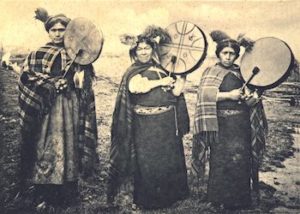
The indigenous peoples of Patagonia are as diverse as the region itself, with several groups having laid roots in this beautiful land for thousands of years. Among them, the Mapuche and Tehuelche stand out as two of the most significant tribes.
- Mapuche:
- Originating from the central regions of Chile and Argentina, the Mapuche have a deep connection to the land and its natural resources. Their traditions emphasize harmony with nature, which resonates in their practices of agriculture, weaving, and crafts.
- The Mapuche language, Mapudungun, remains vital to their identity, and efforts to revive it continue to be prominent in their communities.
- Tehuelche:
- The Tehuelche tribe, often regarded as the indigenous hunters and gatherers of the region, adapted well to the diverse environments of Patagonia. Known for their deep knowledge of the land, the Tehuelche were highly skilled in tracking animals and gathering wild plants.
- Today, the legacy of the Tehuelche can be seen through local legends and stories passed down through generations.
Visitors traveling through Patagonia often meet friendly members of indigenous communities who share their knowledge of traditional practices, including the beautifully intricate art of weaving, which is an integral part of their cultural identity. One traveler recounted an inspiring visit to a local Mapuche community market, where artisans displayed handmade crafts and textiles. The stories behind each piece added a level of depth that transformed a simple purchase into a meaningful connection with the culture.
Cultural Festivals and Traditions
The colorful festivals and traditions of Patagonia celebrate the rich heritage of its indigenous peoples and allow for unique shared experiences among locals and visitors alike.
- Cultural Festivals:
- Nuevas Raíces (New Roots) Festival: Held annually in various communities, this festival showcases indigenous music, dance, crafts, and culinary traditions. Visitors are invited to join in the festivities, trying their hand at traditional dances or sampling exquisite dishes made with regional ingredients.
- Mapuche We Tripantu: Celebrated during the winter solstice, this ceremony marks the beginning of the new year in the Mapuche calendar. Rituals include offerings to the earth and the sacred fire, honoring the cycles of nature and the spirits that watch over them.
- Traditional Practices:
- Cuisine: Indigenous culinary traditions remain alive with dishes such as “curanto”—a meat and seafood stew cooked in a pit using hot stones, showcasing the connection between the land’s resources and local flavors.
- Storytelling and Folklore: Oral traditions are significant among indigenous communities, with elders sharing myths, legends, and tales that embody their history and values. Engaging with these narratives during community events allows visitors to appreciate the depth of cultural heritage.
One particularly memorable encounter involved a traveler joining a Mapuche family for a traditional meal as part of a cultural exchange program. Sharing delicious homemade bread and herbal tea, the warmth of the indigenous family’s hospitality served as a beautiful reminder that food can connect individuals across cultures. In conclusion, the indigenous culture and heritage of Argentine Patagonia offer insights into the rich tapestry of traditions that have flourished for centuries. By engaging with the indigenous peoples of this region and participating in their cultural festivals, travelers can forge lasting connections and broaden their understanding of Patagonia’s diverse history. The stories, practices, and warmth of these communities enrich the overall experience, illuminating the deep-rooted cultures that continue to shape the identity of this extraordinary land.
Conservation Efforts in Patagonia
As the stunning landscapes of Argentine Patagonia draw visitors from across the globe, the region faces a spectrum of environmental challenges that resonate deeply with both locals and conservationists. Fortunately, a variety of initiatives have emerged to address these pressing issues. Let’s explore the environmental challenges facing Patagonia, followed by some of the remarkable conservation projects and initiatives aimed at preserving this breathtaking environment.
Environmental Challenges
Patagonia’s unique ecosystems and wildlife are under threat from a combination of natural and human-induced factors. Visitors might be surprised to learn about some of the following environmental challenges:
- Deforestation: The expansion of agricultural lands, logging, and tourism development has led to significant deforestation. Various species of trees, including the ancient lenga and coihue, face habitat loss, undermining the delicate balance of the ecosystem.
- Climate Change: Like much of the world, Patagonia is experiencing the repercussions of climate change. Glaciers are retreating at alarming rates, affecting local water supplies and contributing to rising sea levels. The slowing of the Perito Moreno Glacier can be an emotional experience for visitors, who may wonder what that future holds if decisive action isn’t taken.
- Invasive Species: Non-native species, introduced through agricultural practices and exotic pet trades, pose a significant threat to local flora and fauna. For example, the introduction of species like the wild boar disrupts local ecosystems, competing with native wildlife for resources.
- Pollution: Water contamination from agricultural runoff and urban areas poses a danger to both wildlife and human health. Lakes and rivers that once thrived with biodiversity now face serious ecological disruption, which is a grim reality for many local communities.
During a hike in the Los Glaciares National Park, a traveler noted the visible signs of climate change, where once vibrant meadows were now parched and rocky, revealing the urgent need for action. This encounter highlights the tangible impacts of environmental challenges, igniting a passion for conservation initiatives.
Conservation Projects and Initiatives
In response to these environmental concerns, a plethora of conservation projects and initiatives have taken root in Patagonia, aiming to protect its rich biodiversity and stunning landscapes.
- Protected Areas:
- Approximately 16% of Argentina’s land area is designated as protected national parks, with Patagonia home to some of the most significant ones, such as Torres del Paine National Park and Los Glaciares National Park. These areas serve as sanctuaries for endemic species and protect vital ecosystems from the encroaching human footprint.
- Reforestation Efforts:
- Organizations like Reforest Patagonia are working tirelessly to combat deforestation and restore natural habitats. Local communities participate in tree-planting initiatives, promoting native species and reconnecting with the land.
- Sustainable Tourism Practices:
- Several eco-tourism operators have adopted sustainable practices aimed at minimizing environmental impact while promoting conservation awareness among visitors. Sustainable lodges often source their products locally and employ practices that preserve the surrounding nature.
- Community Involvement:
- Local communities are increasingly becoming ambassadors for conservation. Programs such as “Patagonia Sin Represas” (Patagonia Without Dams) advocate against hydroelectric projects that threaten pristine rivers, highlighting the importance of clean water ecosystems.
One personal anecdote about community involvement tells of a traveler who participated in a beach clean-up project in a smaller coastal town. Not only did they play a role in removing litter, but they also connected with locals who shared stories of their cultural ties to the land, making the experience deeply enriching. In conclusion, conservation efforts in Patagonia represent a critical response to the environmental challenges that threaten this breathtaking region. As travelers experience the incredible landscapes and diverse wildlife, understanding and supporting local conservation initiatives fosters a sense of responsibility. By coming together—both locals and visitors alike—we can champion the protection of Patagonia, ensuring that its natural beauty endures for generations to come. Contributing to conservation not only benefits the environment but also offers rewarding experiences that resonate long after the journey ends.

Gastronomy and Cuisine
As travelers soak in the breathtaking landscapes and rich biodiversity of Argentine Patagonia, they soon discover that the region’s charm extends to its culinary offerings. The unique gastronomy of Patagonia is a delightful fusion of indigenous practices, local ingredients, and the influences of European immigrants. Exploring the traditional dishes and unique culinary experiences becomes an integral part of the adventure in this incredible region.
Traditional Dishes and Ingredients
Patagonian cuisine is rooted in the rich agricultural and pastoral traditions that characterize the region. Many traditional dishes highlight locally sourced ingredients, showcasing the flavors and textures unique to this part of the world.
- Notable Dishes:
- Asado: This traditional barbecue is a staple in Argentine culture, and in Patagonia, it often features mouthwatering cuts of lamb and beef cooked on an open fire. Asado is more than just a meal; it’s a communal event where friends and family gather to celebrate, connecting over the joys of grilling meat.
- Patagonian Lamb: Known for its rich flavor, Patagonian lamb is often slow-cooked or roasted. The grass-fed lamb grazes in pastures fertile with native vegetation, resulting in tender and succulent meat, deeply appreciated by locals and visitors alike.
- Empanadas: While empanadas are popular throughout Argentina, those in Patagonia are often stuffed with regional ingredients such as venison or locally farmed cheese. Savory fillings wrapped in flaky pastry make for an irresistible snack or meal.
- Local Ingredients:
- Seafood: Given Patagonia’s access to the Atlantic Ocean, fresh seafood plays a vital role in local cuisine. Dishes featuring king crab, toothfish, and several species of mussels are highly sought after.
- Wild Berries: Ingredients such as calafate berries (akin to blueberries) and edible flowers enrich many dishes, either served as toppings or incorporated into desserts, celebrating the region’s biodiversity.
One traveler reminisced about their trip to a traditional asado held in a rustic Patagonian setting. The smell of garlic and rosemary wafted through the air as lamb sizzled over hot coals, and the convivial atmosphere fostered delightful conversations around the communal table. This experience embodied the warmth and hospitality of the region’s culinary culture.
Unique Culinary Experiences in Patagonia
Beyond just tasting delicious dishes, Patagonia offers visitors distinctive culinary experiences that cultivate connections with the land and local communities.
- Cooking Classes:
- Many lodges and culinary organizations offer cooking classes where travelers can learn to prepare traditional dishes using local ingredients. Participants often leave with newfound skills, recipes, and an appreciation for regional culinary traditions.
- Wine Tasting:
- Patagonia is emerging as a prominent wine region, particularly noted for its Pinot Noir and Malbec varietals. Many vineyards offer tastings that include local cheeses and charcuterie, providing a delightful combination of flavors that pair beautifully with the wines.
- Farm-to-Table Experiences:
- Some restaurants prioritize sustainable practices by sourcing ingredients directly from local producers. Dining at a farm-to-table establishment allows visitors to savor meals made with the freshest ingredients while supporting the surrounding community.
A memorable culinary experience described by a traveler involved a meal at a small vineyard in Patagonia, where they participated in a vineyard tour followed by a tasting dinner. The owner shared the story behind each wine, enriching the experience and reinforcing the connection to the land. Pairing each course with carefully selected wines elevated the meal to an unforgettable gastronomic journey. In conclusion, the gastronomy and cuisine of Argentine Patagonia are a vibrant reflection of its culture, history, and natural bounty. Traditional dishes rich with flavor and local ingredients reveal the essence of Patagonia’s spirit. Alongside unique culinary experiences—from cooking classes to wine tastings—exploring the region’s gastronomy deepens the travel experience, creating lasting memories and connections with this remarkable part of the world. By indulging in the flavors of Patagonia, every visitor partakes in a sensory journey that beautifully complements the stunning visuals of this extraordinary landscape.